


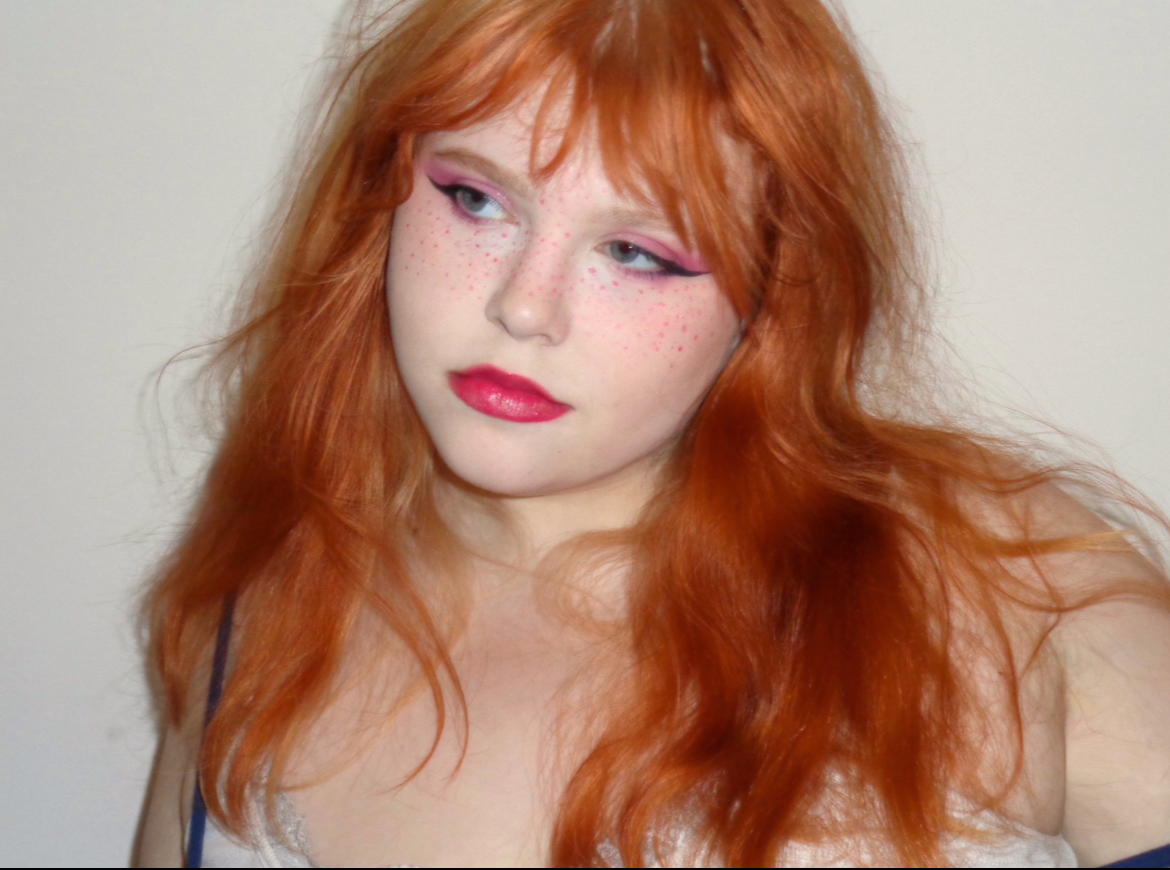
Issue 8 – SINGLES REVIEWS: Woman on Your Screen, Emma Hampton

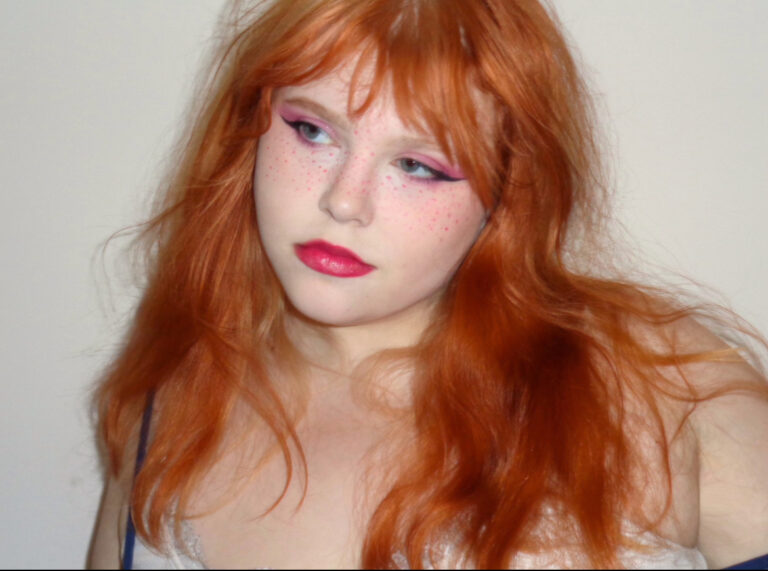
I wrote this song after seeing a beautiful woman on TikTok in a gorgeous, seductive red dress and thinking, ‘Wow, I’ll never be her.

      As someone with OCD, this song feels like those intrusive thoughts are taking the microphone and saying, ‘You can be stable, you can be loved, but if you’re not sexy, then what’s the point?’ When I sing this song live, a lot of women relate to it on different levels – whether it’s about their relationship to their partners, or their idea of how the patriarchy sees them.’

      To me, listening to Woman on your Screen is a charming pause; it reminds me of gazing at a snow globe, every snowdrop falling at its own pace, spiralling, floating, gliding till it settles. Hampton is a chanteuse, reminiscent of 50s and 60s icons like Julie London, Helen Merril, and the wonderful Ella Fitzgerald. These are formidable artists denied their true female subjectivity because they were given songs to sing. Hampton’s songwriting is authentic to her experience, and the lo-fi self-production is a fragile thing of loveliness – I am so bored with Logic stealing the show and making everyone sound the same. 

      ‘I produced this song by myself, using my phone’s microphone and a very helpful video on how to mix poor-quality recordings,’ she explains to me.  ‘It turned out amazing, and I learned a lot about how to make the most of what I’ve got!’

(NR) 

What do you think? Do you want a review? Contact buzz@acm.ac.uk
Woman On Your Screen

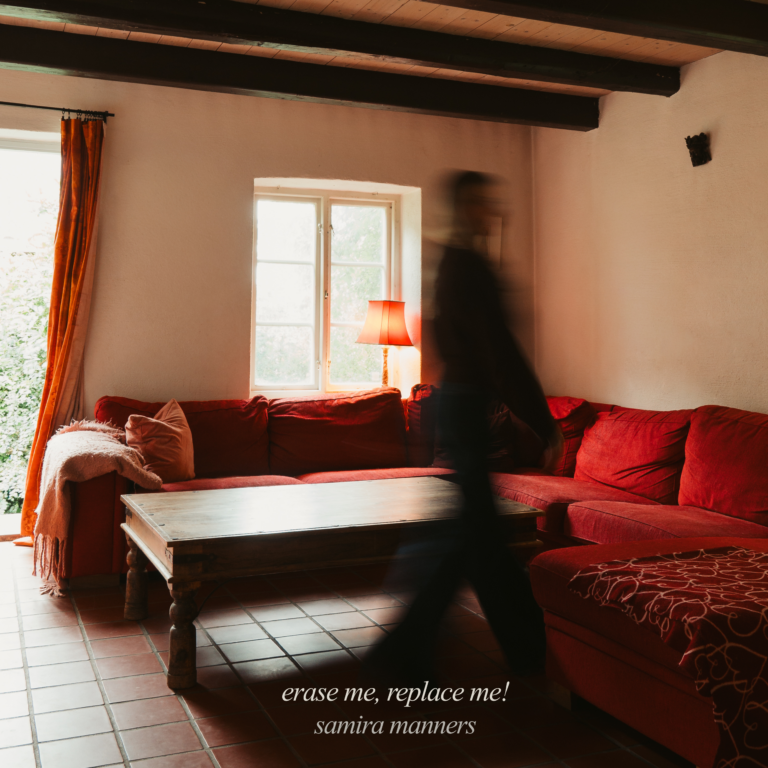
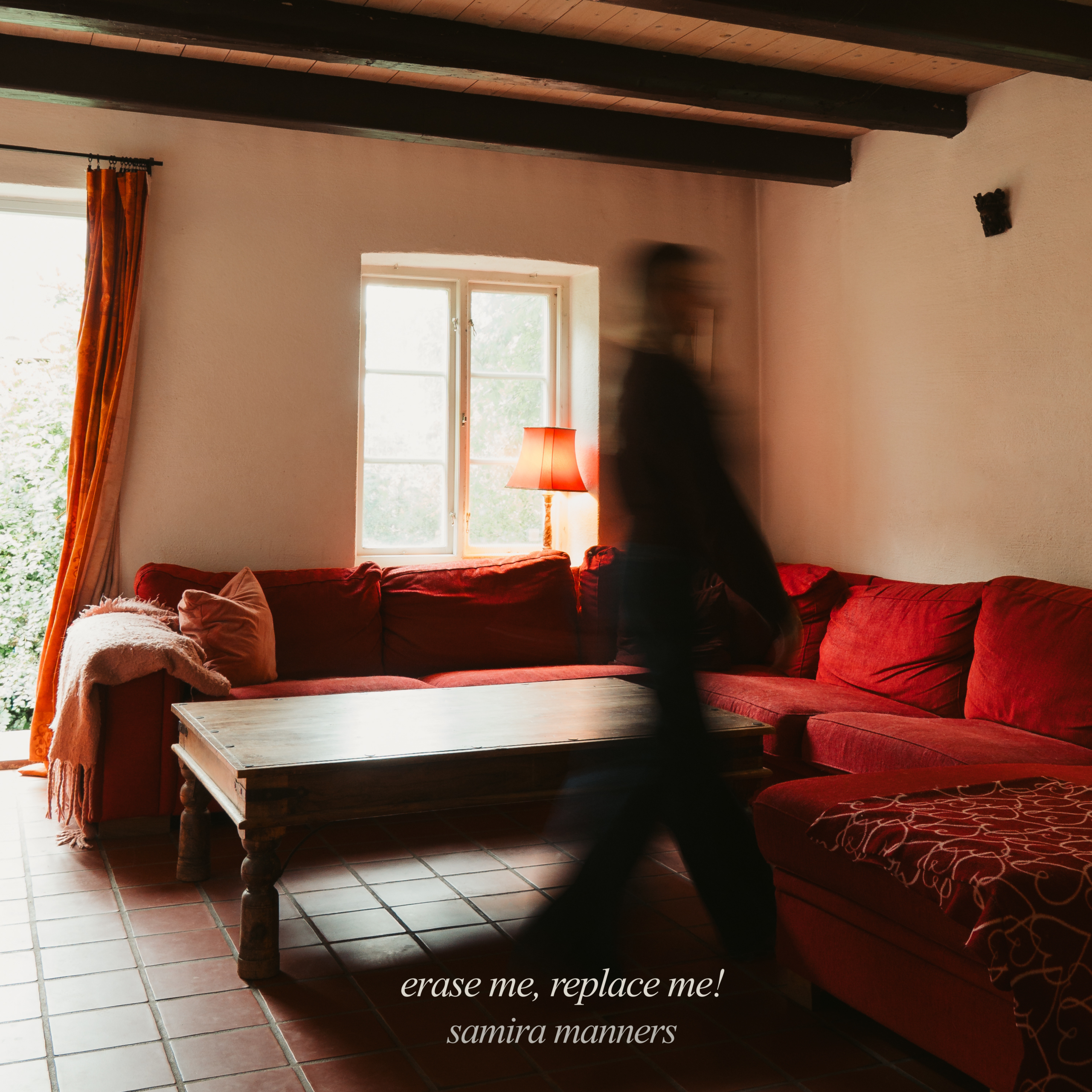
Issue 8 – SINGLES REVIEWS: Erase Me, Replace Me, Samira Manners

Words: Nicole Porter

The third single from Samira’s EP ‘the house we built’ sheds light on the grief and hurt that comes with a relationship ending.

Set over acoustic folk guitar and earthy drums, Samira’s ‘erase me, replace me!’ holds its anger at a past lover while equally reeling in the confidence of knowing that person will always remember you and, subsequently, how they treated you in the sarcasm of its lyrics: “I will always haunt these walls”.

The chorus, layered in beautiful harmonies, captures the self-trust and resilience that anchor someone through hard times. The song moves seamlessly into the second verse, which complements the emotions discussed in the chorus. However, the verse is more playful and cheeky while also being highly exposing and personal: “never good enough, well it should be my middle name,” showing the scars left behind, even though the relationship no longer exists. 

For me, the highlight of this song comes in the pre-chorus; Samira’s emotional delivery highlights the inner turmoil between what you know is true and what someone is telling you as Samira sings “Pull the rug on our love, make it my mistake, but how am I to blame?” Her voice begins to boil over, and the final chorus serves as catharsis for the journey she was thrust into. 

If ‘erase me, replace me’ is an indicator of what’s to come, Samira’s next EP will be a triumph of beautifully emotive storytelling. 

Erase Me, Replace Me

Send us your thoughts? Are you after a single, EP or live review? Contact thebuzz@acm.ac.uk

Issue 8 – WRITERS CORNER: Where ACMies wax lyrical about their favourite music

Words: Bo, a multidisciplinary creative artist studying production at ACM Clapham, working within all genres in collaboration with mixed pathway peers on industry-focused projects. They also organise and produce the radio podcasts for the LOUD WOMEN collective, among others and show a flair for expression in writing.

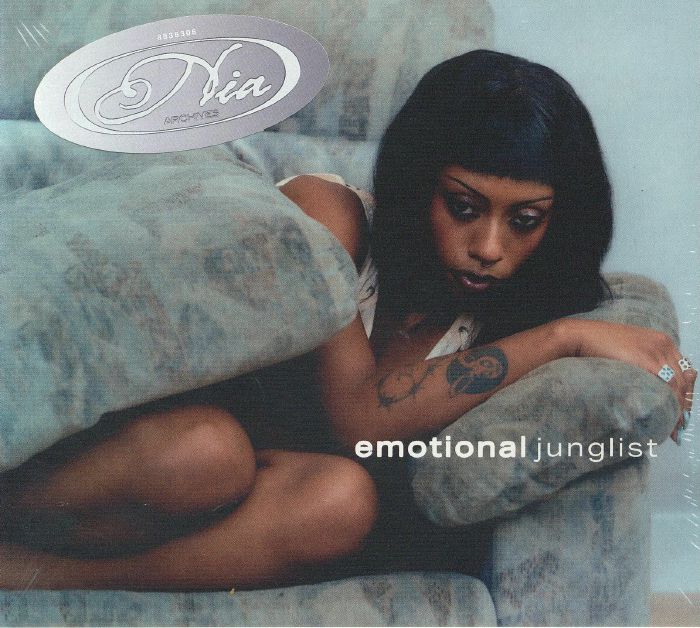
Album Review, Nia Archives, Emotional Junglist

“i chase your hurricanes”

The only thing left to do is dance through. I don’t think it’s any surprise to anyone with an ear to the ground that jungle music is creeping its way back into the dance halls. Originating in places the iron lady hurt hardest, DJ Grooverider described the genre as ‘England’s answer to hip-hop’. The similarities are visible – both scenes are rich with political disappointment and jade for a system that failed them. So no, it really isn’t a surprise.

Nia Archives (Dehaney Nia Lishahn Hunt) is leading this revival. She has been since the release of her first EP in 2021, Headz Gone West. Third generation Windrush, she speaks openly of her early interest in women of the original scene, such as duo Kemistry and Storm. Despite her appreciation for the original artists, Hunt describes herself strictly as a ‘new-gen junglist’. Her songwriting notably takes cues from Britpop bands such as Blur or Oasis, and her vocal performance has a soulful energy akin to reggae. In a review of her debut album, Silence is Loud, Alexis Petridis describes Hunt as a ‘striking, charismatic figurehead’ for the genre. 

“let hesitation sit this one out”

The streak continues with Hunt’s latest, sophomore record, Emotional Junglist, her most ambitious project to date. A love letter to jungle itself – clue’s in the name. The blend of influences is a clear representation of Hunt as an artist, and builds a sound that feels cathartic to the renaissance. Danger, the first single of the record, originally written for Rihanna, bounces like dancehall and jungle in its earliest editions. Hunt embraces live instrumentation more directly than in previous works, which contributes to the rawness and vibrancy in the production, complementing the intimacy of the story Hunt is telling. Songs like This Could Be… are ornamented by bright guitars that feel distinctly indie pop, blending the contemporary landscape with nostalgic energy that made Hunt fall in love with the genre in the first place. 

The drums. How can I not talk about the drums? The breakbeats flood each song with panic and make the entire arrangement sounds like it’s going to burst. Train Of Thought is a perfectly demonstrates Hunt’s skills as a producer and arranger. The manic percussion behind the soft, sincere delivery creates this turbulence that feels more alive than breathing. The story being told wouldn’t lay you down so strictly without this intensity shaking in the centre of the stereo.

Emotional Junglist was written across a particularly emotive year. Falling in love, losing such, and falling away. Hunt jokes that the experience only cost her ‘peace of mind and sleepless nights’, and this record is what happens when you look back. The record flows in a way that feels autobiographical, maybe even a little too personal. At first, optimistic and lovesick in songs like Vertical, the lyrics ooze with young passion and a crass not to care who hears it. By the end, the record turns it on itself, looking back at just how stupid it sounded three tracks before. The final song, Boys In Blue, ends the story like a bad joke – the lyrics detailing when Hunt’s now ex called the police on her.

“better luck, try again”

Hunt is one of the fastest-rising UK artists, and is a figure certainly worth watching as electronic music is reinterpreted once again. The record’s incorporation of other genres doesn’t just complement the narrative on display, but the scene, and the industry, and the artist. In a generation still reeling from brat, maybe we do need to think about the outside, about the morning after. Emotional Junglist is a step forward in jungle music, the UK electronic scene, and what it means to rave with everything weighing us down.

The poster girl of Britain’s electronica scene has been left noticeably changed by this record, and so have I.