









Issue 7 – WRITERS CORNER: Where ACMies wax lyrical about their favourite music
Words: Bo, a multidisciplinary creative artist studying production at ACM Clapham, working within all genres in collaboration with mixed pathway peers on industry-focused projects. They also organise and produce the radio podcasts…

Words: Bo, a multidisciplinary creative artist studying production at ACM Clapham, working within all genres in collaboration with mixed pathway peers on industry-focused projects. They also organise and produce the radio podcasts for the LOUD WOMEN collective, among others and show a flair for expression in writing.
Album Review, Death Cab for Cutie, I Built You a Tower
“I fear I’ll soon be wishing on an empty sky”
When you can’t run, and there’s still so much work to do, what do you do with your grief? You build a tower. Suck it in through gritted teeth – and hold the rope tightly. Spend every quiet morning and pitch-black evening putting bricks in like you’re punching the card. Death Cab’s latest in a long line of records, I Built You A Tower left such a monument in me. I’m not sure how I can knock it down.
Death Cab for Cutie – a name that doesn’t need an introduction. The most important band in indie rock post-millennium, a genre unto themselves. Their 11th studio album is a reflection on Ben Gibbard (frontman)’s intense struggles navigating a divorce while on, to this point, the biggest tour of his life. The entire record is laden with discomfort and restlessness, and serves as a remarkable reinterpretation of a breakup and a statement on emptiness. I am shocked that so far into his career Ben Gibbard has surprised me.
This isn’t Gibbard’s first interpretation of a ‘breakup album’; that title belongs to 2015’s Kintsugi, which documents the singer’s first divorce with romcom darling Zooey Deschanel. This new record is far more introspective, far more transparent, and takes a match to the court of public opinion. When asked why the change in creative direction, Gibbard states he’s “you’ve got to grow out of it” in a discussion with The Independent’s Annabel Nugent.
“in a voice like the sound of slamming doors”
The lead single of a record has to do a lot of things – it has to be exciting, and definitive, a comeback and introduction. Riptides is none of those things, because it’s not trying to prove itself to you. For the first two and a half minutes, it sits on nothing – never moving, never resolving. Everything builds around this tension, refusing to give you something to grasp, and it might be the most anxiety-inducing rock song I have ever heard.
Here’s the twisted part – every song is like this, in one way or another. Punching The Flowers, the second single, is the most ‘musical’ of the record, with a tight and foreboding arrangement. The record was completed in just three and a half weeks, and this is said by the band to be due to John Congleton, the producer of this record. Nick Harmer, the bassist, describes Congleton “taking the edge to the endzone” in an interview with Stereogum. The collaboration between these groups makes this record what it is – raw, defined and intentional in how it hurts.
A particular standout, to me, is Envy The Birds, in which this creative decision is in full force. The song stumbles through time signatures like a drunk man walking, its guitar tones dripping with dissatisfaction. Another, How Heavenly A State, takes foreboding and turns it deeply sinister; the song’s toes dipped into industrial. Gibbard’s comforting tone of singing is flipped on its head on these songs; it no longer brings me solace, only distress. Like watching someone you love fall apart.
“anger’s turning to shame”
A key theme of this is the age Gibbard and the rest of Death Cab have on their shoulders. By the end of the year, more of the members will be over 50 than under it. After celebrating 20th anniversaries for Transatlanticism, Plans and The Postal Service’s Give Up back to back, the nostalgia has been wrung out of everyone involved. They’re not 25 anymore, and it’s now become impossible to ignore. According to the band, this is a new chapter in an undeniable legacy, not just because of their signing to new record label Anti_ at the start of the year.
I Built You A Tower is what’s next. The band refuses to hold still, and I cannot think of a better compliment for a collective that’s been running for decades than this record sounds like something new. So yes, Death Cab, you still have it. Please don’t let it go.
The growing sentiment I see everywhere I look in the industry today is that there is no place for rock anymore – you either play it harder or pretend it doesn’t hurt so bad. The next time some dumbass says this to me, I’m going to point at this record. My heroes aren’t dead; they just moved on. It’s time we all did. I Built You A Tower is a deeply emotional consideration of tragedy, and has left deep marks on me.
Don’t expect me to cover them up.

Issue 8 – SINGLES REVIEWS: Woman on Your Screen, Emma Hampton
Photo source https://hotvox.co.uk/artist/emma-hampton/
Read More
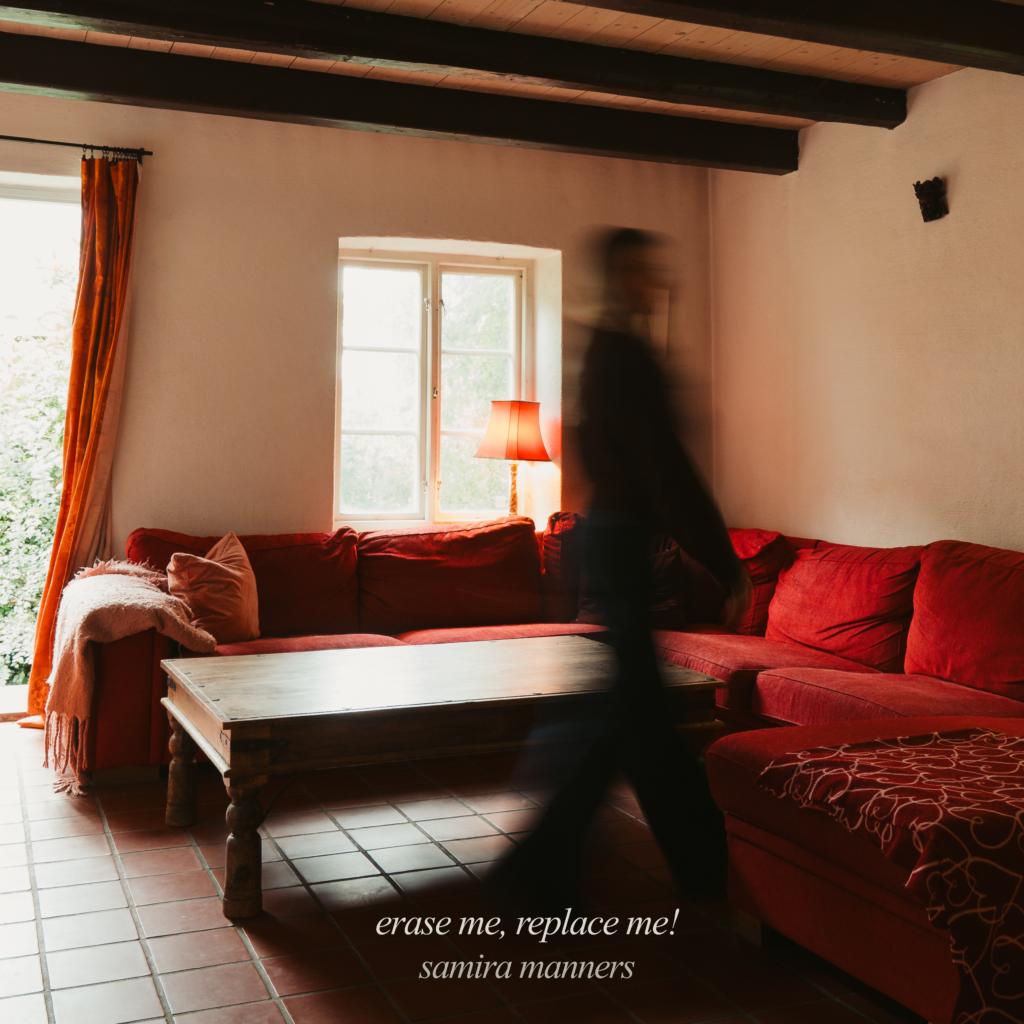
Issue 8 – SINGLES REVIEWS: Erase Me, Replace Me, Samira Manners
Words: Nicole Porter The third single from Samira's EP ‘the house we built’ sheds light on the grief and hurt that comes…
Read More

Issue 8 – WRITERS CORNER: Where ACMies wax lyrical about their favourite music
Words: Bo, a multidisciplinary creative artist studying production at ACM Clapham, working within all genres in collaboration with mixed pathway peers on…
Read More
Welcome Week Is Here — Everything New ACM Students Need
Masterclasses with industry pros, bandeoke, open mics and wellbeing drop-ins — Welcome Week is underway across all three ACM campuses, and it's…
Read More
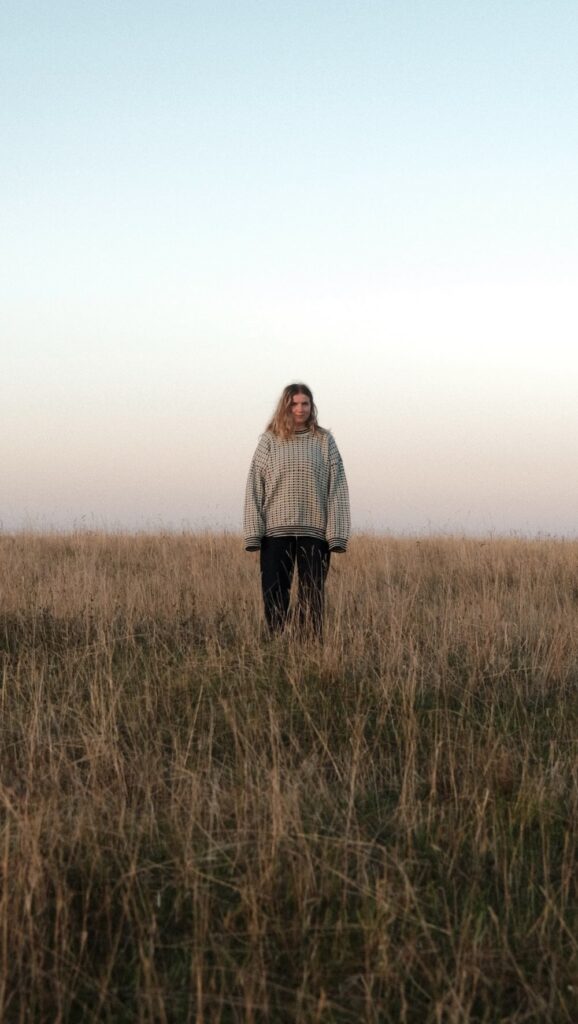
Issue 7 – UP NEXT, singer-songwriter Samira
Dream pop with unmanufactured sentiment and rich, slightly husky vocals. Yes please. Words: Ngaire Ruth Singer-songwriter Samira arrived at ACM to take…
Read More
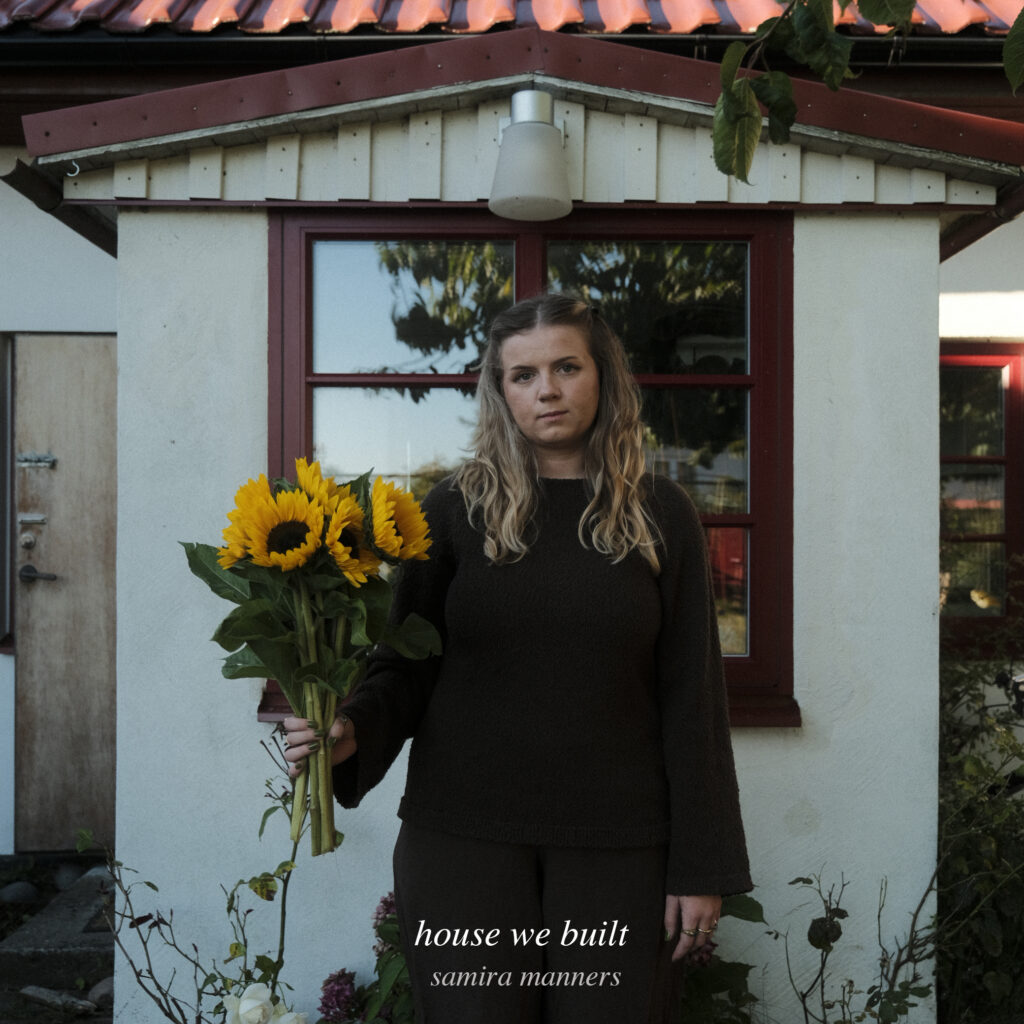
Issue 7 – SINGLE REVIEWS: House We Built, Samira Manners
Words: Ngaire Ruth The bus driver’s playing Radio One; Samira’s song House We Built comes on next. The school girls at the…
Read More