




Undergraduate BA(hons) or BSc (Hons) Creative Industries Futures (Music) Songwriting
Apply now
Course overview
Our Songwriting pathway will give you a 360-degree experience of the skills and knowledge required to be a professional songwriter or performing/recording artist writing original material.
At ACM, we pride ourselves not only on providing comprehensive training in creative arts but also on fostering the development of multifaceted skill sets that enhance our students’ employability in the competitive music industry.
Our curriculum is designed to equip students with not only the technical proficiency needed for success as songwriters or performing artists but also the adaptability and versatility required to thrive in a rapidly evolving landscape.


Specialisms
We offer four specialisms as part of the Songwriting course. We have created specific educational content designed to prepare you for a career in your chosen field while equipping you with an intimate understanding of the greater creative industries.



Songwriting / Music Business
The Songwriting / Music Business specialism: Empowering Visionary Songwriters in the Business of Music
The “Creative Entrepreneur / Songwriter” specialism is innovatively designed to cater to the aspirations of songwriters who not only seek excellence in songcraft but also aspire to be visionary entrepreneurs within the music industry.
This unique specialism maintains an equilibrium between songwriting and business, emphasising the symbiotic relationship between artistic creativity and entrepreneurial acumen.
By combining songwriting, production, music business, and DIY artistry, this comprehensive approach provides aspiring creatives with the essential tools to not only thrive as artists but also build a successful and sustainable business infrastructure and brand.
The specialism reflects a pioneering approach to music education, recognising the evolving needs of artists in today’s dynamic industry.
Songwriter / Producer
The Songwriter-Producer specialism is a comprehensive educational pathway that blends two essential pillars of the modern music industry: songwriting and music production. This hybrid approach equips students with a versatile creative toolkit that supports a wide range of professional careers, whether writing for artists, creating music for sync and media, contributing to production music libraries, or developing a distinctive identity as an independent artist.
The curriculum recognises the powerful connection between crafting musical ideas and shaping their sonic identity, giving students the creative and technical fluency needed to thrive in multiple sectors of today’s industry. By learning to originate, refine, and deliver commercially viable songs and productions, students position themselves to collaborate with artists, pitch music for screen, build catalogue-based income streams, or independently release high-quality work of their own.
This specialism responds directly to the evolving demands of contemporary music careers—where adaptability, creativity, and production literacy are key to long-term success.
Songwriter / Performer
The Songwriter / Performer specialism supports aspiring creative artists who want to craft and perform their own original music, offering a comprehensive pathway for anyone seeking to develop a strong artistic identity. While centred on songwriting, the programme seamlessly integrates performance, musicianship, production literacy, and essential business skills, ensuring students can shape their creative ideas with confidence both on stage and in the studio.
This specialism is ideal for all musician-songwriters—not only singers, but instrumentalists, multi-instrumentalists, and producers who want to expand their artistic voice through performance and original material. Students are encouraged to refine their songwriting craft, explore their personal style, and build the stage presence and artistic confidence needed for live performance, session work, co-writing, or collaborative projects.
By combining artistic development with practical industry knowledge, the Songwriter / performer specialism prepares students for a wide variety of modern careers, including independent artistry, gigging and touring, co-writing for other performers, online content creation, and building sustainable DIY release strategies. This forward-thinking approach ensures graduates are equipped with the versatility, resilience, and creative autonomy required to navigate today’s evolving music landscape.

Modules
Modules
ACM’s core validated learning provision. These are the building blocks of your degree, through which you will be assessed, accrue credits, and progress towards your final qualification. ACM’s module design blends the rigour of a high-quality academic framework and up-to-date industry knowledge. Students also develop critical professional competencies as they progress through their programme.
Skills Units
Skills units are ACM’s unique delivery model for up-to-date technical and industry knowledge. These are where you will learn everything you need to excel in your chosen discipline, and inform how you approach your assessments.
Modules & Skills Units
Introduction to Songwriting
This skills unit is an introduction to the core aspects of songwriting, covering topics such as structure, lyrical & melodic devices & harmonic construction. Students will explore what factors and attributes contribute towards effective commercial songwriting.
Theory, Aural Skills & Critical Listening
This skills unit is an introduction to the core fundamentals of music theory, and how these tools can contribute towards commercial songwriting. Students will have the opportunity to gain knowledge and understanding on critical listening skills.
DAW Composition & Arrangement
This skills unit introduces students to the fundamentals of music production and it’s importance within the art of songwriting. Students will gain skills, knowledge and experience in composition & arrangement using digital audio workstations.
Co-Writing, Collaboration & Constructive Feedback
Running alongside the core module “Engaging in Collaborative Work”, students can use this skills unit to explore the fundamentals of songwriting with others, and the importance of co-writing within the music industry. Students will also gain experience in giving and receiving constructive feedback.
Sound Recording Techniques
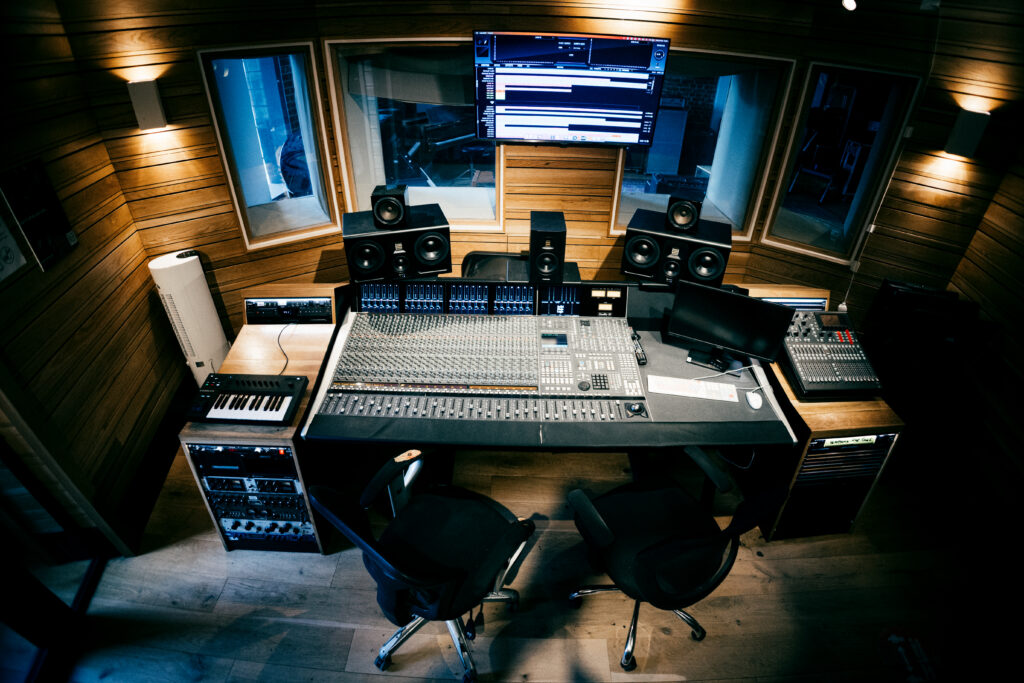
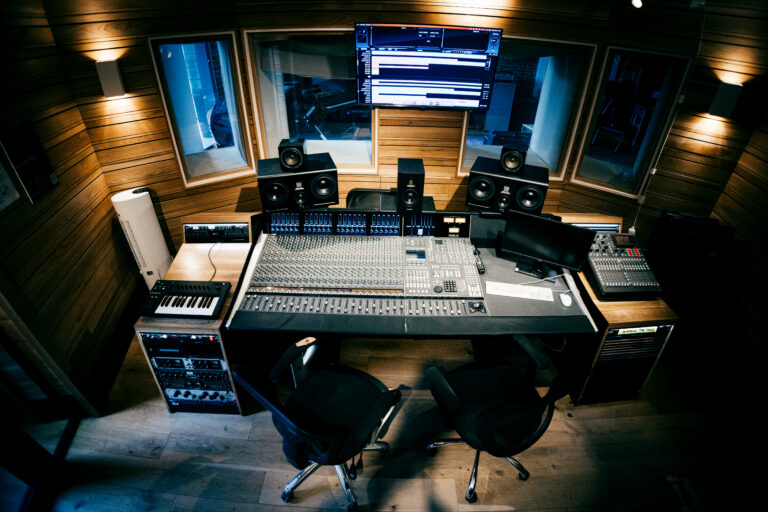
This Skills Unit, introduces the students to Large Format Mixing Consoles, a wide range of microphones and associated techniques and how to record and process a range of instruments commonly found in Contemporary Music.
Music & the Creative Industries
This module enables students to understand how music-related skills, practices and theories are being applied in other industry sectors to problem-solve, connect and innovate. It examines the principles and terminology used in these professional contexts and requires students to research and investigate the potential futures of music, musicianship, and music applications. You will consider your place as a musician or music practitioner within the creative industries landscape, mapping out your path and how to maximise opportunities to make money and grow your profile and career.
Music, Media and Technology
This module enables students to examine the role of music across a range of media. Students will consider and compare the purpose, structure, and method of how music is used across different platforms and for different audiences. The module requires students to review creative industries theory and practice of creating, sourcing and using music in media in a variety of formats and technologies and to connect the theory with the practice.
Preparing for Collaborative Work
This module enables students to prepare and organise themselves and their work to engage in an interdisciplinary collaborative creative project with other students with some guidance and support. Students will also prepare to engage with relevant professional networks and any professional contributors by researching working contexts, philosophies, and work. Students will identify their strengths and development needs and examine team profiles and characteristics for participating in an effective collaborative project through a series of practical workshops.
The impact and influence of music: from creator to consumer
This module enables students to understand the impact of music, musical applications and activities on physical and mental health. Students will consider and contrast the potential and actual impact of music on well-being in different contexts. The module requires students to consider and analyse the components of musical applications and activities to support or challenge current research on this topic and to connect the theory with the practice.
Music, society, and Culture: Perspectives and Debates
Music is ubiquitous and global, existing everywhere and anywhere across the world, every minute of the day. Music is also deeply personal and has unique meaning across countries and local communities. The creation of new music is often a blend of beat, bar, melodies and harmonies, with influence from other artists and genres, from rap to k-pop. As a musician or music practitioner it is incredibly important to understand where sounds come from, how you can use them and where it will land with the audience that you are trying to build. There will be those who like what you do and others who criticise. The easiest way to become a target for criticisms is if you are perceived to have not taken care to understand music within societies and across cultures, being aware of issues and challenges that have shaped and continue to shape your industry. For example, as a creator you may love the syncopation or phraseology of another language, but it may not always be appropriate to lift, stitch and sample words from other cultures in an unsympathetic way. At one level this is known as ‘censorship’, which we often associate with regulation, government or policy. However, this module also places an emphasis on self-regulation and self-censorship by having a deeper understanding of how music works across cultures and societies. Words matter, words can start wars or friendships. Therefore, in this core module we aim to inform you, whilst also allowing you a safe space to discuss and debate yourselves about your own views and forms of artistic and academic expression. There is often no right or wrong, it is just important that you can discuss and explain your creative outputs in an evidence based and critical manner. This is a skill that is valued in the professional sphere too, giving you the ability to know who you are as a creative practitioner and explain your influence and values to your industry networks and audiences.
Engaging in Collaborative Work
This module enables students to work collaboratively on a shared project brief. Students will carry out a collaborative creative project in which they will apply their Level 4 personal, interpersonal and soft skills; their technical and sector specific professional skills; their creative, critical thinking and problem-solving skills and their project management, research, networking and presentation skills. Students will regularly and routinely meet to develop, manage, problem-solve, reflect on and evaluate the project progress and success at meeting the project brief with support from staff with professional industry project experience.
Modules & Skills Units
Musical Directing and Studio Craft
Every Producer working in a studio environment at some stage will work with other Artists. This Skills Unit, links Production students to Musicians with a focus on communication & collaboration. Getting the best performance from an Artist, while also managing the technical responsibilities in the studio is a skillset that prepares the students for the Industry.
Vocal Health & Development
As a singer/songwriter, vocal health is incredibly important. This skills unit will give students the correct tools to maintain a healthy vocal career & knowledge on specific vocal techniques for rehearsals, touring & recording.
Applied Lyrical & Topline Development
This level 5 skills unit follows “Introduction to Songwriting”. Students will gain further skills and knowledge on advanced lyrical & melodic devices within their songwriting, such as: use of imagery, imaginative narratives, metaphorical & rhythmic devices and musical prosody.
Second Instrument
This skills unit will give students the opportunity to gain experience and support in using a second instrument through performing ans songwriting. Having the ability to accompany yourself when performing live can be an excellent skill within your career as an artist, as well as expanding the use of instrumentation within your songwriting.
Creative Mixing
Building on skills and knowledge gained in the Mixing Fundamentals Skills Unit, this course explores the creativity that emerges from breaking the rules and pushing recording and mixing equipment beyond their sensible limits. Here, you can explore creative approaches and processes as applied to mixing and begin to develop a unique sound as a producer.
Be Your Own Boss
This Unit looks at the world of self-employment. Students will explore both the positives and negatives of self-employment and will learn about the legal and financial side of this type of work. The Unit will also introduce students to a range of techniques to protect their mental health and maintain a healthy work/life balance when working for themselves.
Writing to Brief
This skills unit will take students through various professional briefs delivered to commercial songwriters within the music industry. Students will gain skills and knowledge in writing to a range of different genres & styles.
Stagecraft, Musicianship & Performance
This skills unit aims to help each student discover and develop their persona as a performing artist, whilst maintaining the integrity that is fundamental to effective live performance.
Copyright, Royalties, Publishing and Income Streams
This Unit builds on the introductory look at these topics that students recieved at L4. Through an in-depth exploration of copyright, royalties, publishing and income streams students will learn how to protect their work and make money from it.
Specialist Collaborative Work
This module enables students to contribute through their chosen specialism to an interdisciplinary collaborative creative industries project. Students should engage with the appropriate professional networks for their specialist or interdisciplinary field.
Specialist Route Skills
This module enables students to use tools, techniques, and procedures to work toward producing work of a professional standard in their chosen specialist route. These sources will be used to critically reflect and analyse their work and the work of other practitioners in the appropriate frameworks. ARTS-RELATED SPECIALIST ROUTE (A) Students will be able to use relevant academic research and sources to critically review and place their practice in a humanities, phenomenology or cultural framework. SCIENCE-RELATED SPECIALIST ROUTE (S) Students will be able to use relevant academic research and sources to critically review and place their practice in a scientific methodological and technical framework.
Professional Collaborative Work
This module aims to enable students to explore, examine, and review the function of a professional project. Students will work in a professional context to deliver a project in their specialism. Students will be responsible for identifying the requirements of a professional project brief. They will plan, deliver and review a professional project to current industry standards with their peers. Students will register themselves or/and their work as appropriate with a professional association and actively manage their professional networks, professional ethics and professional communications.
Professional Route Skills
This module enables students to create a portfolio of professional, specialist work demonstrating transferable skills to meet sector expectations. Students will apply sector specific creative and technical skills in different industry contexts. ARTS-RELATED SPECIALIST ROUTE (A) Students will be able to use relevant academic research and sources to critically review and place their practice in a humanities, phenomenology or cultural framework. SCIENCE-RELATED SPECIALIST ROUTE (S) Students will be able to use relevant academic research and sources to critically review and place their practice in a scientific methodological and technical framework.
Modules & Skills Units
Advanced Songwriting (Advanced Briefs and Global Songwriting)
This skills unit focuses on the relevant fundamentals of music business for both commercial and performing songwriters. You will explore the necessary skills required to market yourself as a professional songwriter, from creating a unique brand to releasing music & marketing yourself as a creative professional. Topics covered include funding opportunities, distribution, music law, advanced branding and marketing skills.
Music Business & DIY Artistry
This skills unit focuses on the relevant fundamentals of music business for both commercial and performing songwriters. You will explore the necessary skills required to market yourself as a professional songwriter, from creating a unique brand to releasing music & marketing yourself as a creative professional. Topics covered include funding opportunities, distribution, music law, advanced branding and marketing skills.
Composition to Film, TV & Media
In this skills unit, students will explore compositional techniques for commercial advertising, television, video games & films. Students will also gain the skills needed to approach writing for music libraries and so much more.
Advanced Stagecraft, Musicianship & Performance
This skills unit aims to provide an opportunity for students to integrate their instrumental, vocal and stagecraft skills into a coherent whole, consistent with professional levels of live performance. Students will explore their stagecraft and musicianship in depth, as a way of enhancing creativity and musical expression.
Critical Reflection & Creative Identity
Building upon all songwriting units across levels 4-5, students will gain the skills to explore, analyse and evaluate their authentic creative intentions as an artist, as well as develop a deeper understanding on the process of A&R.
The Future of Commercial Songwriting
This skills unit takes a deeper look at the future of the commercial songwriting industry. Students will explore their career opportunities and develop deeper understanding of the professional route and role of a commercial songwriter in the years ahead.
Professional Specialism (The Performing Songwriter)
This skills unit will allow students to focus on their specialist subject as an artist, as well as dicover the various professional roles that are available to them as perfoming songwriters, using multiple transferrable skills gained throughout their degree.
Professional Specialism (The Producer/Writer)
This skills unit will allow students to focus on their specialist subject as a commercial songwriter, with a focus on production skills such as mixing and mastering demos. You will also discover the various professional roles that are available to them as producing songwriters, using multiple transferable skills gained throughout their degree.
Mix with the Experts
Leading mixers from a variety of genres will share their knowledge and experience in this skills unit through masterclasses, workshops and mix deconstructions.
Immersive Audio
The world of Immersive audio is ever changing and evolving, This Skills Units aim, is for students to be able to explore areas such as the use of Dolby Atmos and the way that sound can be produced and mixed to work in immersive environments.
Digital Skills
This Unit covers a range of digital skills needed to thrive in the current creative climate. Students will learn about the importance of these skills and have a chance to practice their skills in these areas.
Business Strategy and Planning
This unit aims to provide learners with powerful strategic tools for observing the birth of new markets, the development of a unique operating space. By asking the right questions the competitive predicament can unfold. The unit is designed to broaden strategic thinking and analysis to enable the seeds of competitive advantage. Build strategic sense making around market predictions and trends in order to make informed decisions and plans for a successfully operating and evolving business.
Leadership and CPD
This module enables students to engage with continuing professional development and to review and develop their leadership skills in different contexts. Students will examine different models of leadership and review and develop their range of leadership tools, techniques and expertise in this area.
Critical Review
This module includes a research or practical project that critically reviews one or more current issues, constraints or practices that impacts the music and wider creative Industries, the application of music to other industry sectors or broader cultural or workforce issues relating to music and the creative cultural industries. ARTS-RELATED SPECIALIST ROUTE (A) Students will be able to use relevant academic research and sources to critically review and place their practice in a humanities, phenomenology or cultural framework. SCIENCE-RELATED SPECIALIST ROUTE (S) Students will be able to use relevant academic research and sources to critically review and place their practice in a scientific methodological and technical framework.
Leading Professional Collaborative Project
This module aims to enable students to build their leadership and professional skills through an interdisciplinary collaborative professional project. Students will design the requirements of the professional project brief, manage the project and communications and evidence project outputs.
Independent Portfolio
This module enables students to create a portfolio and digital presence that includes course output, work experience, freelance work or volunteering targeted to professional opportunities or further study. ARTS-RELATED SPECIALIST ROUTE (A) Students will be able to use relevant academic research and sources to critically review and place their practice in a humanities, phenomenology or cultural framework. SCIENCE-RELATED SPECIALIST ROUTE (S) Students will be able to use relevant academic research and sources to critically review and place their practice in a scientific methodological and technical framework.
Modules & Skills Units
Professional Practice Frameworks
This module enables students to demonstrate a comprehensive understanding of the professional sector specific expertise required for a creative industries profession. Students apply these creative and technical skills in a wide range of interdisciplinary contexts. Students will create or synthesise tools, techniques, and procedures to produce work that solves complex problems and disrupts in order to meet interdisciplinary objectives.
Applied Research (Focus and Impact on Creative Industries Futures)
This module enables students to evidence academic expertise in an applied research context. Students will engage and reflect on the developmental process and develop learning strategies for applied research. They will work on a project collaborating with local communities, industry or academic networks as appropriate. This module runs across two terms, the first term focuses on the specific focus of the applied research and the second with the delivery and impact measurement for the research. ARTS-RELATED SPECIALIST ROUTE Students will be able to use relevant academic research and sources to critically review and place their practice in a humanities, phenomenology or cultural framework. SCIENCE-RELATED SPECIALIST ROUTE Students will be able to use relevant academic research and sources to critically review and place their practice in a scientific methodological and technical framework.
Ideas into Action
Within this module students will investigate the project management processes needed to develop a project from concept to release. Students will explore projects from the perspectives of different collaborators in the research. They will identify potential collaborators for the different stages of developing and implementing their ideas and will develop skills and techniques to effectively pitch at a high level to a variety of audiences.
Making Connections and Building a Community
This module enables students to Identify, inform, and establish a network of peers and relevant industry and community contacts to develop opportunities and advocacy in key organisations in the local community, research organisations, charities and the creative industries as well as connect with communities of investors. Students will engage core stakeholders in activities and communications to enable effective development of opportunities and increased advocacy using professional development tools such as action learning, critical reflective practice, clinical supervision, or other appropriate methods. Students will design, coordinate, and evaluate internal and external communications in a portfolio of evidence that tracks responses, activities, ethical considerations, influence, and impact.
Fees & Entry requirements
- Minimum age 17+ for Foundation Learners and 18+ for our Accelerated Degree Courses.
- You will be expected to hold A Levels or Equivalent Level 3 Qualification(s) worth 104 UCAS Points or more **
- You will be expected to hold a GCSE in English Language / Literature at C grade/ 4 (or higher)
- Suitability for the programme will also be assessed through an audition. View audition guides
- Fees & financing information can be found on our Fees page
- Term dates can be found on the Term Dates page
If you do not have A-Levels and require moderation, please speak to our admissions team to explore the options available to you.
This course is presented in conjunction with our partners Middlesex university and is subject to the regulations and policies detailed here.
Progression
Contact our Admissions team to discuss the possibility of switching to an Integrated Masters program or explore a range of our Postgraduate programs here.
Faculty & Visiting Professionals

Gemma Lawler
Senior Lecturer & Pathway Lead in Songwriting

Ben Scott
Senior Lecturer in Performance
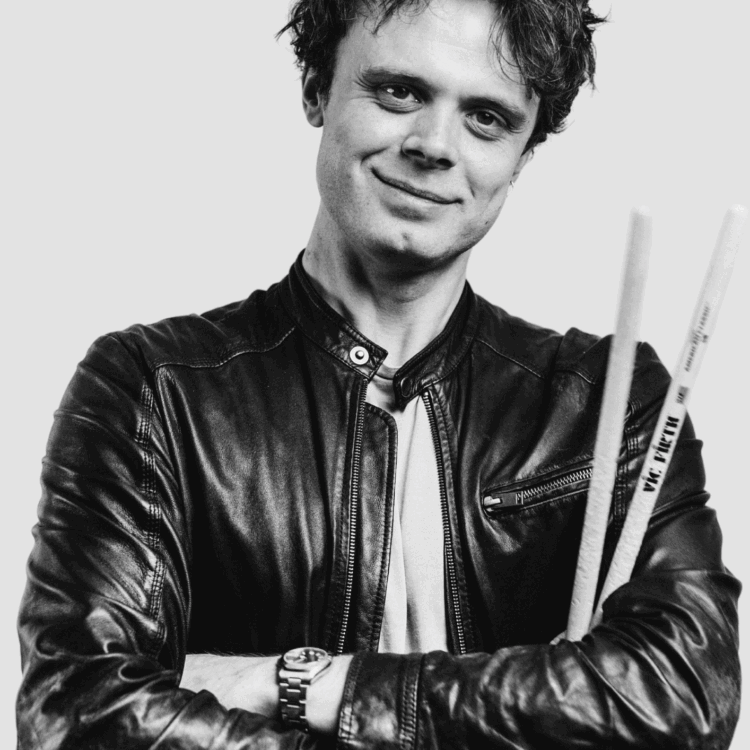
Joshua Max Wunderlich
Lecturer in Songwriting

Dr Madeline Castrey
MA/MSc Senior Lecturer

Jamie Sellers
Lecturer in Production

Student success


ACM has taught me how to network, taught me how to hold my own, how to work and collaborate with my pears… I've meet so many true friends here who share the same passion… I've learnt about the theory, learnt about the craft and most of all I have learnt how to grow and bloom, they have given me an entirely new vision of my future and nurtured my confidence… I now feel like I have a fantastic chance of succeeding.