




Undergraduate BA(hons) or BSc (Hons) Creative Industries Futures (Music) Drums
Apply now
Course overview
Our exceptional tutors, all seasoned industry professionals, bring specialised knowledge, qualifications, and hands-on experience – covering everything from developing core technique, musicality, cultural knowledge and understanding how the evolution of technology has become part of our instrument.
What sets us apart is not just the comprehensive curriculum; it’s the personalised one-on-one attention that treats you like an industry professional from day one.
At ACM, we understand that your journey is unique, and that’s why our curriculum is finely tuned for industry-ready skills.
Modules
Modules
ACM’s core validated learning provision. These are the building blocks of your degree, through which you will be assessed, accrue credits, and progress towards your final qualification. ACM’s module design blends the rigour of a high-quality academic framework and up-to-date industry knowledge. Students also develop critical professional competencies as they progress through their programme.
Skills Units
Skills units are ACM’s unique delivery model for up-to-date technical and industry knowledge. These are where you will learn everything you need to excel in your chosen discipline, and inform how you approach your assessments.
Modules & Skills Units
Theory and Ear Training
This unit teaches you the fundamentals of contemporary populate music theory, ear training and critical listening, enabling you to analyse, understand, and apply concepts across a spectrum of contemporary popular music examples.
Drum Production Techniques
This unit introduces students to composition and arrangement techniques within a digital audio workstation (DAW), giving the tools to design, record, and develop their work to a professional standard
Ensemble Skills
This unit provides you with the skills and knowledge required to work as a professional ensemble player within a variety of musical settings such as following musical direction, interpreting charts, engaging in stagecraft and communication techniques and working with the Technical Stage Crew.
Music & the Creative Industries
This module enables students to understand how music-related skills, practices and theories are being applied in other industry sectors to problem-solve, connect and innovate. It examines the principles and terminology used in these professional contexts and requires students to research and investigate the potential futures of music, musicianship, and music applications. You will consider your place as a musician or music practitioner within the creative industries landscape, mapping out your path and how to maximise opportunities to make money and grow your profile and career.
Music, Media and Technology
This module enables students to examine the role of music across a range of media. Students will consider and compare the purpose, structure, and method of how music is used across different platforms and for different audiences. The module requires students to review creative industries theory and practice of creating, sourcing and using music in media in a variety of formats and technologies and to connect the theory with the practice.
Preparing for Collaborative Work
This module enables students to prepare and organise themselves and their work to engage in an interdisciplinary collaborative creative project with other students with some guidance and support. Students will also prepare to engage with relevant professional networks and any professional contributors by researching working contexts, philosophies, and work. Students will identify their strengths and development needs and examine team profiles and characteristics for participating in an effective collaborative project through a series of practical workshops.
The impact and influence of music: from creator to consumer
This module enables students to understand the impact of music, musical applications and activities on physical and mental health. Students will consider and contrast the potential and actual impact of music on well-being in different contexts. The module requires students to consider and analyse the components of musical applications and activities to support or challenge current research on this topic and to connect the theory with the practice.
Music, society, and Culture: Perspectives and Debates
Music is ubiquitous and global, existing everywhere and anywhere across the world, every minute of the day. Music is also deeply personal and has unique meaning across countries and local communities. The creation of new music is often a blend of beat, bar, melodies and harmonies, with influence from other artists and genres, from rap to k-pop. As a musician or music practitioner it is incredibly important to understand where sounds come from, how you can use them and where it will land with the audience that you are trying to build. There will be those who like what you do and others who criticise. The easiest way to become a target for criticisms is if you are perceived to have not taken care to understand music within societies and across cultures, being aware of issues and challenges that have shaped and continue to shape your industry. For example, as a creator you may love the syncopation or phraseology of another language, but it may not always be appropriate to lift, stitch and sample words from other cultures in an unsympathetic way. At one level this is known as ‘censorship’, which we often associate with regulation, government or policy. However, this module also places an emphasis on self-regulation and self-censorship by having a deeper understanding of how music works across cultures and societies. Words matter, words can start wars or friendships. Therefore, in this core module we aim to inform you, whilst also allowing you a safe space to discuss and debate yourselves about your own views and forms of artistic and academic expression. There is often no right or wrong, it is just important that you can discuss and explain your creative outputs in an evidence based and critical manner. This is a skill that is valued in the professional sphere too, giving you the ability to know who you are as a creative practitioner and explain your influence and values to your industry networks and audiences.
Engaging in Collaborative Work
This module enables students to work collaboratively on a shared project brief. Students will carry out a collaborative creative project in which they will apply their Level 4 personal, interpersonal and soft skills; their technical and sector specific professional skills; their creative, critical thinking and problem-solving skills and their project management, research, networking and presentation skills. Students will regularly and routinely meet to develop, manage, problem-solve, reflect on and evaluate the project progress and success at meeting the project brief with support from staff with professional industry project experience.
Drum Technical Development
This unit allows you to develop your skills on your voice, looking at a range of techniques, styles, and approaches, across a range of specialist areas.
Modules & Skills Units
Second Instrument
This skills unit will give students the opportunity to gain experience and support in using a second instrument through performing ans songwriting. Having the ability to accompany yourself when performing live can be an excellent skill within your career as an artist, as well as expanding the use of instrumentation within your songwriting.
Drum Session Styles inclusive of Music Culture
This unit takes students through a range of contemporary styles, in order to navigate a range of professional situations.
Improvisation and Applying technique
This unit aims to develop and consolidate students’ existing improvisational technique as well as rhythmic vocabulary, and its applications in the practical context as a performer and as an accompanist. Students will be required to understand and apply improvisatory techniques in a variety of contemporary styles in simulated musical session environments.
Literacy and arrangement (Drums)
This unit prepares students for a variety of professional reading settings, and provides skill development in reading, writing, and arrangement of music.
Specialist Collaborative Work
This module enables students to contribute through their chosen specialism to an interdisciplinary collaborative creative industries project. Students should engage with the appropriate professional networks for their specialist or interdisciplinary field.
Specialist Route Skills
This module enables students to use tools, techniques, and procedures to work toward producing work of a professional standard in their chosen specialist route. These sources will be used to critically reflect and analyse their work and the work of other practitioners in the appropriate frameworks. ARTS-RELATED SPECIALIST ROUTE (A) Students will be able to use relevant academic research and sources to critically review and place their practice in a humanities, phenomenology or cultural framework. SCIENCE-RELATED SPECIALIST ROUTE (S) Students will be able to use relevant academic research and sources to critically review and place their practice in a scientific methodological and technical framework.
Professional Collaborative Work
This module aims to enable students to explore, examine, and review the function of a professional project. Students will work in a professional context to deliver a project in their specialism. Students will be responsible for identifying the requirements of a professional project brief. They will plan, deliver and review a professional project to current industry standards with their peers. Students will register themselves or/and their work as appropriate with a professional association and actively manage their professional networks, professional ethics and professional communications.
Professional Route Skills
This module enables students to create a portfolio of professional, specialist work demonstrating transferable skills to meet sector expectations. Students will apply sector specific creative and technical skills in different industry contexts. ARTS-RELATED SPECIALIST ROUTE (A) Students will be able to use relevant academic research and sources to critically review and place their practice in a humanities, phenomenology or cultural framework. SCIENCE-RELATED SPECIALIST ROUTE (S) Students will be able to use relevant academic research and sources to critically review and place their practice in a scientific methodological and technical framework.
Further Technical Development (Drums)
This unit follows on from technical development 1, providing a greater depth of development into hgh level techniques needed in the development of instrumental expertise
Modules & Skills Units
Advanced Ensemble and Musical Direction Skills
This unit aims to examine the concepts and principles associated with the highest levels of performance and reflect on the techniques and methods used by top-level professional musicians to create effective and convincing live performances
Studio Musician Practices
This unit teaches the skills required to work effectively in live studio settings, considering part writing, working with producers, technologies and professional presentation
Freelance Musician
This unit aims to examine the career strategies and professional skills needed in order to develop a sustainable career as a freelance musician within a variety of industry contexts.
Leadership and CPD
This module enables students to engage with continuing professional development and to review and develop their leadership skills in different contexts. Students will examine different models of leadership and review and develop their range of leadership tools, techniques and expertise in this area.
Critical Review
This module includes a research or practical project that critically reviews one or more current issues, constraints or practices that impacts the music and wider creative Industries, the application of music to other industry sectors or broader cultural or workforce issues relating to music and the creative cultural industries. ARTS-RELATED SPECIALIST ROUTE (A) Students will be able to use relevant academic research and sources to critically review and place their practice in a humanities, phenomenology or cultural framework. SCIENCE-RELATED SPECIALIST ROUTE (S) Students will be able to use relevant academic research and sources to critically review and place their practice in a scientific methodological and technical framework.
Leading Professional Collaborative Project
This module aims to enable students to build their leadership and professional skills through an interdisciplinary collaborative professional project. Students will design the requirements of the professional project brief, manage the project and communications and evidence project outputs.
Independent Portfolio
This module enables students to create a portfolio and digital presence that includes course output, work experience, freelance work or volunteering targeted to professional opportunities or further study. ARTS-RELATED SPECIALIST ROUTE (A) Students will be able to use relevant academic research and sources to critically review and place their practice in a humanities, phenomenology or cultural framework. SCIENCE-RELATED SPECIALIST ROUTE (S) Students will be able to use relevant academic research and sources to critically review and place their practice in a scientific methodological and technical framework.
Advanced Drums Technical Development
This unit builds on the technical development units I & II and provides, moving through a variety of highly specialised and advanced technical instrumental/voice development
Modules & Skills Units
Professional Practice Frameworks
This module enables students to demonstrate a comprehensive understanding of the professional sector specific expertise required for a creative industries profession. Students apply these creative and technical skills in a wide range of interdisciplinary contexts. Students will create or synthesise tools, techniques, and procedures to produce work that solves complex problems and disrupts in order to meet interdisciplinary objectives.
Applied Research (Focus and Impact on Creative Industries Futures)
This module enables students to evidence academic expertise in an applied research context. Students will engage and reflect on the developmental process and develop learning strategies for applied research. They will work on a project collaborating with local communities, industry or academic networks as appropriate. This module runs across two terms, the first term focuses on the specific focus of the applied research and the second with the delivery and impact measurement for the research. ARTS-RELATED SPECIALIST ROUTE Students will be able to use relevant academic research and sources to critically review and place their practice in a humanities, phenomenology or cultural framework. SCIENCE-RELATED SPECIALIST ROUTE Students will be able to use relevant academic research and sources to critically review and place their practice in a scientific methodological and technical framework.
Ideas into Action
Within this module students will investigate the project management processes needed to develop a project from concept to release. Students will explore projects from the perspectives of different collaborators in the research. They will identify potential collaborators for the different stages of developing and implementing their ideas and will develop skills and techniques to effectively pitch at a high level to a variety of audiences.
Making Connections and Building a Community
This module enables students to Identify, inform, and establish a network of peers and relevant industry and community contacts to develop opportunities and advocacy in key organisations in the local community, research organisations, charities and the creative industries as well as connect with communities of investors. Students will engage core stakeholders in activities and communications to enable effective development of opportunities and increased advocacy using professional development tools such as action learning, critical reflective practice, clinical supervision, or other appropriate methods. Students will design, coordinate, and evaluate internal and external communications in a portfolio of evidence that tracks responses, activities, ethical considerations, influence, and impact.
Fees & Entry requirements
- Minimum age 17+ for Foundation Learners and 18+ for our Accelerated Degree Courses.
- You will be expected to hold A Levels or Equivalent Level 3 Qualification(s) worth 104 UCAS Points or more **
- You will be expected to hold a GCSE in English Language / Literature at C grade/ 4 (or higher)
- Suitability for the programme will also be assessed through an audition. View audition guides
- Fees & financing information can be found on our Fees page
- Term dates can be found on the Term Dates page
If you do not have A-Levels and require moderation, please speak to our admissions team to explore the options available to you.
This course is presented in conjunction with our partners Middlesex university and is subject to the regulations and policies detailed here.
Progression
Contact our Admissions team to discuss the possibility of switching to an Integrated Masters program or explore a range of our Postgraduate programs here.
Faculty & Visiting Professionals
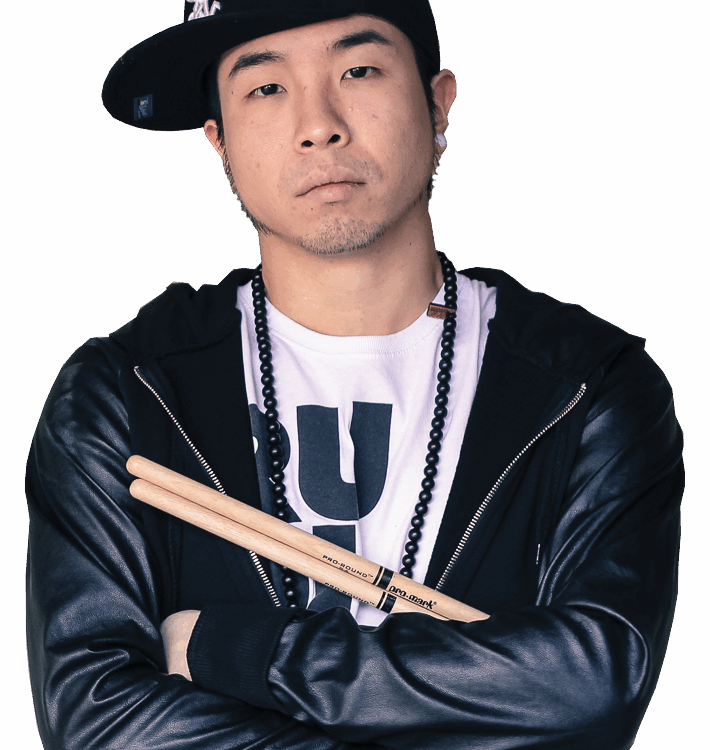
Joe Yoshida
Diploma Lead
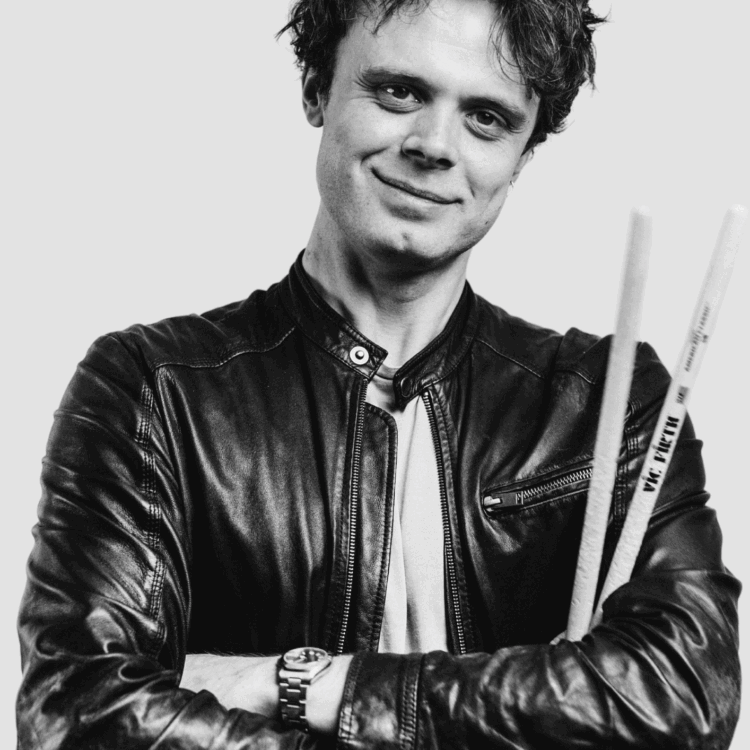
Toby Drummond
Senior Lecturer in Performance & Route Lead for Drums

Ben Scott
Senior Lecturer in Performance
Tobias Alexander
Lecturer in Performance


Student success
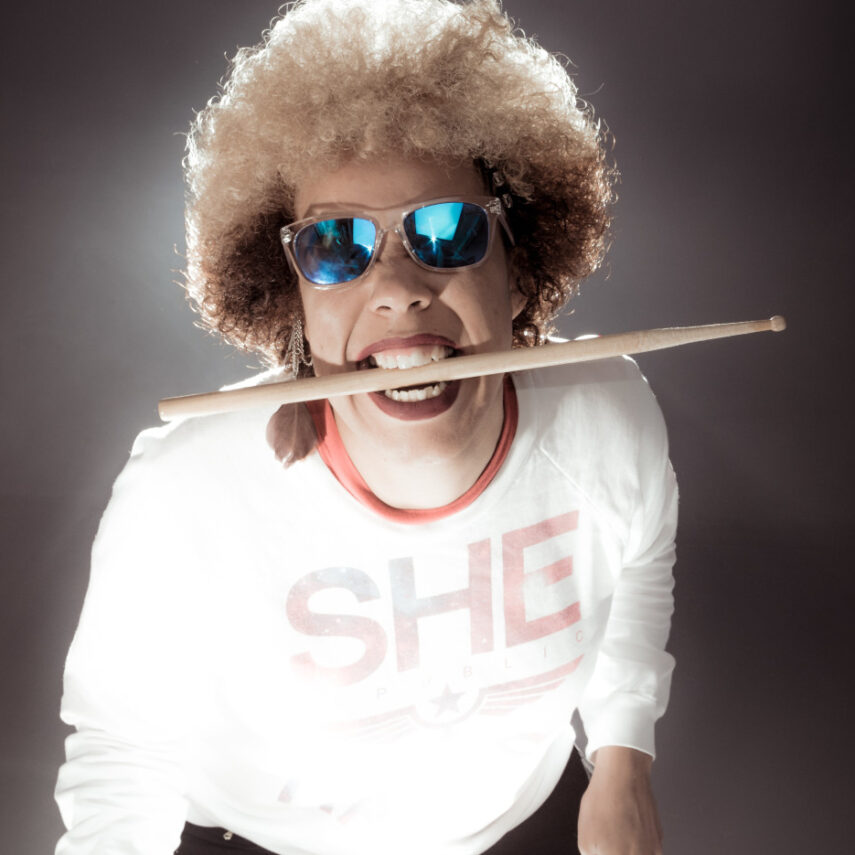

Afrika Green is a talented drummer who graduated from The Academy of Contemporary Music (ACM). With a strong passion for music and a focus on drumming, Afrika honed her skills at ACM and now has had the amazing opportunity of drumming for big names such as The Pet Shop Boys, High Contrast, Becky Hill and Fleur East.
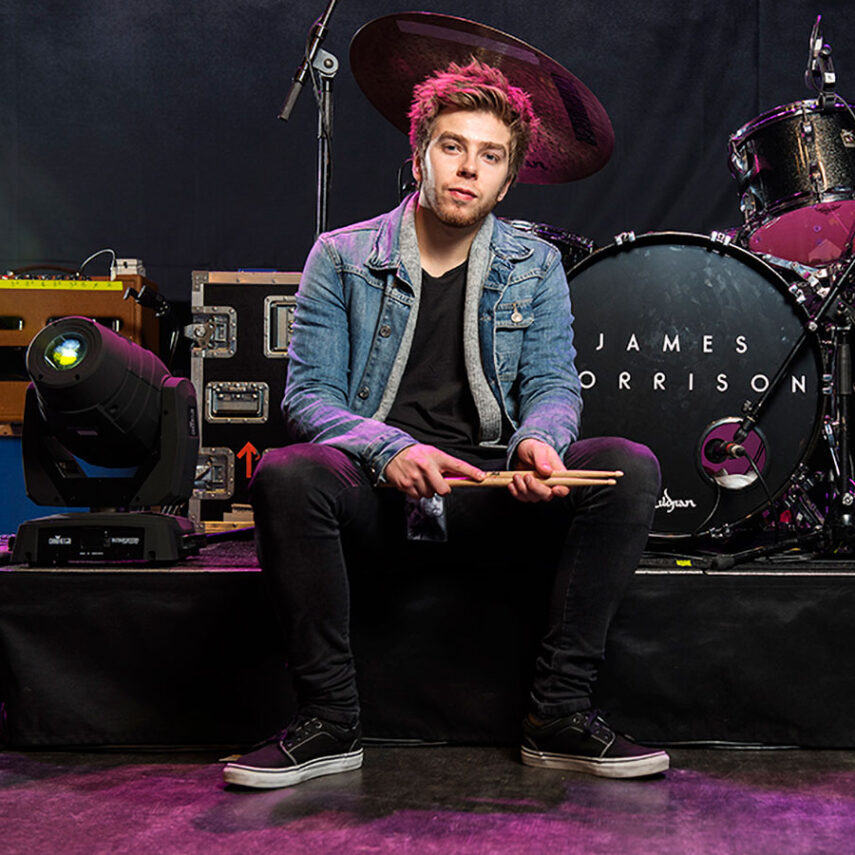
Alex Torjussen is a highly accomplished UK-based freelance drummer with credits working with renowned artists like Niall Horan, James Morrison, and Mika. His extensive touring experience has taken him across the globe, performing in a diverse range of venues from intimate clubs to massive arenas and stadiums. Alex has played on esteemed platforms such as Saturday Night Live, The Late Late Show with James Corden, The Tonight Show with Jimmy Fallon, MTV EMA Awards, The Voice, KCRW, and has graced iconic venues including Madison Square Garden, Red Rocks Amphitheatre, The Royal Albert Hall, Wembley Arena, and performed at prestigious festivals such as Glastonbury Festival, Newport Folk Festival, Lollapalooza, and more. Additionally, he has recorded with various artists and producers at renowned studios including Abbey Road, British Grove, RAK, The Village Los Angeles, Air Studios, Konk, The Church, and Maida Vale.