





Diploma UAL Level 3 Extended Diploma in Creative Practice; Art, Design and Communication Games Development
Apply now
Course overview
Start Your Journey as a Game Developer
The Game Development Diploma gives you the practical skills and creative foundations needed to begin your career in games. Designed for aspiring developers aged 16+, this hands-on course introduces you to game design, programming, digital art and interactive storytelling. You’ll work in industry-standard labs, collaborate on real game projects and develop the confidence and experience to progress into higher education or junior roles within the games industry.

What Makes This Course Stand Out
- Learn the fundamentals of game creation across design, programming, art, audio and interactive storytelling.
- Build real, playable game projects that form the foundation of your creative portfolio.
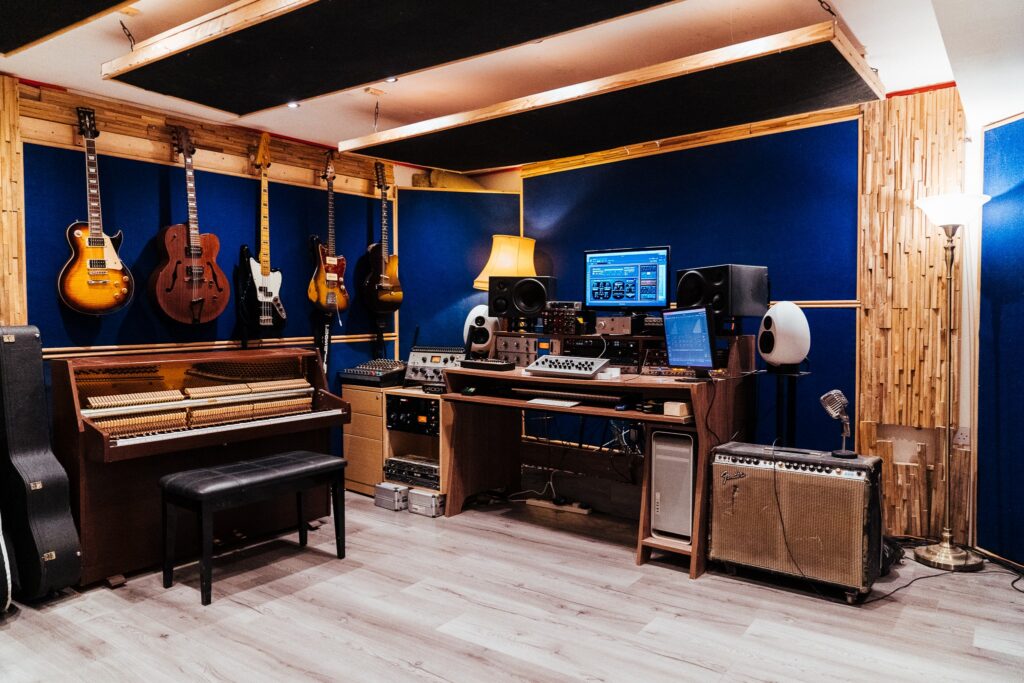
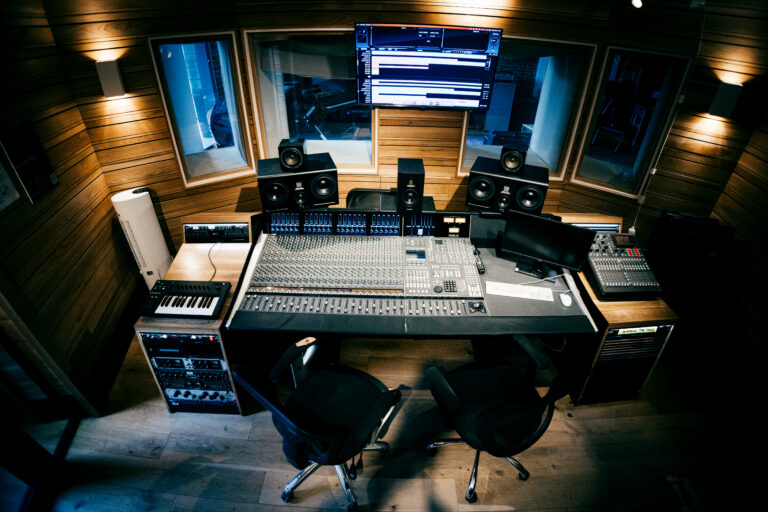
- Train in specialist games labs, using the same software and tools used in the industry today.
- Collaborate with classmates and creatives, gaining teamwork and project development experience.
- Progress to ACM’s Undergraduate Games Development or other Undergraduate creative courses with confidence and a strong skills base.
Modules
Modules
ACM’s core validated learning provision. These are the building blocks of your degree, through which you will be assessed, accrue credits, and progress towards your final qualification. ACM’s module design blends the rigour of a high-quality academic framework and up-to-date industry knowledge. Students also develop critical professional competencies as they progress through their programme.
Skills Units
Skills units are ACM’s unique delivery model for up-to-date technical and industry knowledge. These are where you will learn everything you need to excel in your chosen discipline, and inform how you approach your assessments.
Game Programming
Game students also learn the technical knowledge and skills for game programming, different programming patterns and practices and how to implement them in their student projects.
Game Art
In the game art sessions, students learn the core skills to create 2D art and 3D models, how symbolic shapes are used to represent elements in the game, and how to create beautiful game characters and environments for their game projects.
Game Design
Students will be learning and analysing different game design principles and how they can be applied in different ways to create enriching games.
Games Lab
Every week, students have a dedicated session called The Games Lab scheduled as a part of the curriculum.
This is an informal session to playtest, evaluate and get hands-on experience of student, indie and AAA games and game tech, while discussing what the future of games might look like and how that affects the gaming community and society in general.
This session is the heart of the diploma, creating a safe forum for gamers where they can share their thoughts and gain insight into the game industry, while also connecting them to industry professionals for advice and networking opportunities.
Project Management and Business
All students, no matter what they want to specialise in, get trained and educated in both project and business management.
This is to ensure that they can develop into disciplined, organised professionals who can take the initiative to work in the industry and one day lead it.
Game Project Support
Students are given some time to independently work on their assessment projects, with a tutor on-site and ready to support them.
This ensures that everyone has time to progress and to showcase their work in progress before the deadline.
Student-led Review Sessions
at ACM, we encourage reflective learning and knowledge sharing.
Every week, students are provided with time to lead a review class, where they review some of the skills they have learned and share them with anyone who might have missed the class.
Lead Tutor Tutorials
This is a one-hour reactive session where a tutor gives extra tutorial sessions on some tools or resources that would help the students in their learning journey. We like to throw in extra-curricular curiosity-led tutorials from time to time.
Game Programming
Game students also learn the technical knowledge and skills for game programming, different programming patterns and practices and how to implement them in their student projects.
Game Art
In the game art sessions, students learn the core skills to create 2D art and 3D models, how symbolic shapes are used to represent elements in the game, and be able to create beautiful game characters and environments that can be used in their game projects.
Game Design
Students will be learning and analysing different game design principles and how they can be applied in different ways to create enriching games.
Games Lab
Every week, students have a dedicated session called The Games Lab scheduled as a part of the curriculum.
This is an informal session to playtest, evaluate and get hands-on experience of student, indie and AAA games and game tech, while discussing what the future of games might look like and how that affects the gaming community and society in general.
This session is the heart of the diploma, creating a safe forum for gamers where they can share their thoughts and gain insight into the game industry, while also connecting them to industry professionals for advice and networking opportunities.
Project Management and Business
All students, no matter what they want to specialise in, get trained and educated in both project and business management.
This is to ensure that they can develop into disciplined, organised professionals who can take the initiative to work in the industry and one day lead it.
Game Project Support
Students are given some time to independently work on their assessment projects, with a tutor on-site and ready to support them.
This ensures that everyone has time to progress and to showcase their work in progress before the deadline.
Student-led Review Sessions
at ACM, we encourage reflective learning and knowledge sharing.
Every week, students are provided with time to lead a review class, where they review some of the skills they have learned and share them with anyone who might have missed the class.
Lead Tutor Tutorials
This is a one-hour reactive session where a tutor gives extra tutorial sessions on some tools or resources that would help the students in their learning journey. We like to throw in extra-curricular curiosity-led tutorials from time to time.
Fees & Entry requirements
- Minimum age is 16
- You will be expected to have at least 4 GCSEs (A* – C or 9 – 4 grade) or equivalent level 2 qualification. This should include English and Maths GCSE (A* – C or 9 – 4 grade).
- English and Maths. Your ability will be assessed, and where appropriate, you may be required to first complete a Functional Skills level award.
- EU applicants who have completed non-UK English and Maths qualifications will be required to provide evidence of exemption through the NARIC service (www.naric.org.uk/naric). If you are unable to provide suitable evidence, then you will be required to retake Maths and English GCSE alongside your core programme.
- Fees & financing information can be found on our Fees page
- Term dates can be found on the Term Dates page
Progression
ACM Diploma graduates typically progress to an Undergraduate course, such as those delivered by ACM.
ACM Diploma graduates can use their coursework evidence to fast-track to an ACM Undergraduate course.
Progression incentives are available.
Contact our Admissions team to discuss the possibility of progression to one of our industry-leading Undergraduate courses.
Tutors
Paul Clarke
Diploma Tutor for Games
Abel Quintana
Senior Lecturer & Pathway Lead in Games

Bwinji Shamutete
Lecturer in Games